- 1
- 1
- 1
- 2
Manila
Manila, Philippines – The Heart of the Philippines
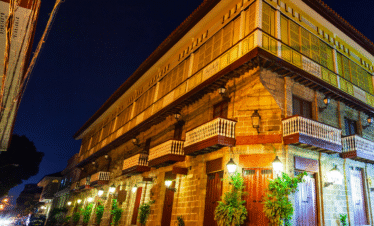
Manila, the country’s capital, blends centuries of history with modern city life. From the Spanish-era walled city of Intramuros to the skyscrapers of Bonifacio Global City and Makati, Manila offers a mix of heritage, culture, shopping, and nightlife that makes it the natural starting point for most Philippine itineraries.
What to See and Do in Manila
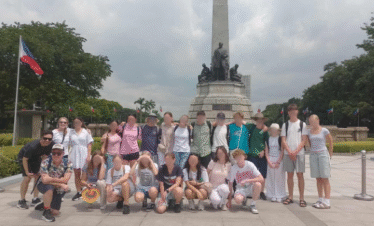
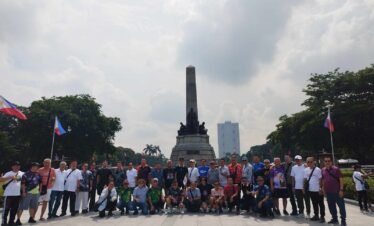
Explore Intramuros, the historic walled city, including Fort Santiago and Manila Cathedral. Rizal Park (Luneta) honors the country’s national hero, while the National Museum Complex showcases Philippine art, culture, and natural history. For a taste of modern Manila, Bonifacio Global City and Greenhills offer shopping, dining, and entertainment, while Binondo, the world’s oldest Chinatown, is a must for food lovers.
Best Time to Visit
Dry season (November–May) is most comfortable for sightseeing on foot. Manila is also a convenient year-round gateway, since most domestic and international flights to other Philippine destinations connect through Ninoy Aquino International Airport (NAIA).
How to Get to Manila
NAIA is the Philippines’ main international gateway, with direct flights from major cities across the US, Europe, Australia, and Korea, making Manila the typical starting and ending point for most international visitors’ Philippine itineraries.
Good to Know for International Travelers
Citizens of the US, UK, most EU countries, Australia, and South Korea may enter the Philippines visa-free for up to 30 days for tourism (please confirm current requirements with the nearest Philippine Embassy before traveling). All arriving travelers must also complete the Philippines’ eTravel online registration within 72 hours before arrival.
Astrokidd Manila Tour Packages
Astrokidd Travel and Tours offers Manila day tours, night tours, and multi-day itineraries combining Manila with Pampanga, Cebu, Bohol, and Northern Luzon (Banaue, Sagada, Vigan) — arranged by a licensed Philippine DMC with local guides and flexible private or group options.
Travel Tips for International Visitors
The Philippine peso (PHP) is the local currency, widely accepted at hotels, malls, and restaurants throughout Metro Manila, with ATMs available almost everywhere. English is an official language and is spoken fluently across the city, making communication easy for international visitors. Electrical outlets use Type A/B/C plugs at 230V — UK, European, and Australian travelers will need an adapter, while US travelers should just confirm their devices support 230V.
Frequently Asked Questions
Q: Is Manila worth visiting, or should I go straight to the beaches?
A: Manila is worth at least a day or two for its history (Intramuros) and food scene, and it’s the natural starting point for most Philippine itineraries.
Q: How far is Manila from other popular destinations?
A: Manila connects easily by domestic flight or land trip to Cebu, Bohol, Palawan, Boracay, and Northern Luzon (Banaue, Sagada, Vigan).
Q: Is Manila safe for foreign tourists?
A: Like any major capital city, it’s best to stay alert in crowded areas and use trusted transportation — a licensed local guide, as Astrokidd provides, makes getting around much easier.
Q: Is Manila a good starting point for a longer Philippine trip?
A: Yes — most international flights arrive at NAIA in Manila, making it the natural hub for connecting to other destinations like Cebu, Palawan, or Northern Luzon.
Q: How’s the traffic in Manila?
A: Traffic can be heavy, especially during weekday rush hours, so it’s best to plan sightseeing with some flexibility or travel with a private guide familiar with the city.
Multi-destination tour: combine Manila, Boracay and El Nido in our Manila, Boracay and El Nido Tour Package 12 Days 11 Nights.